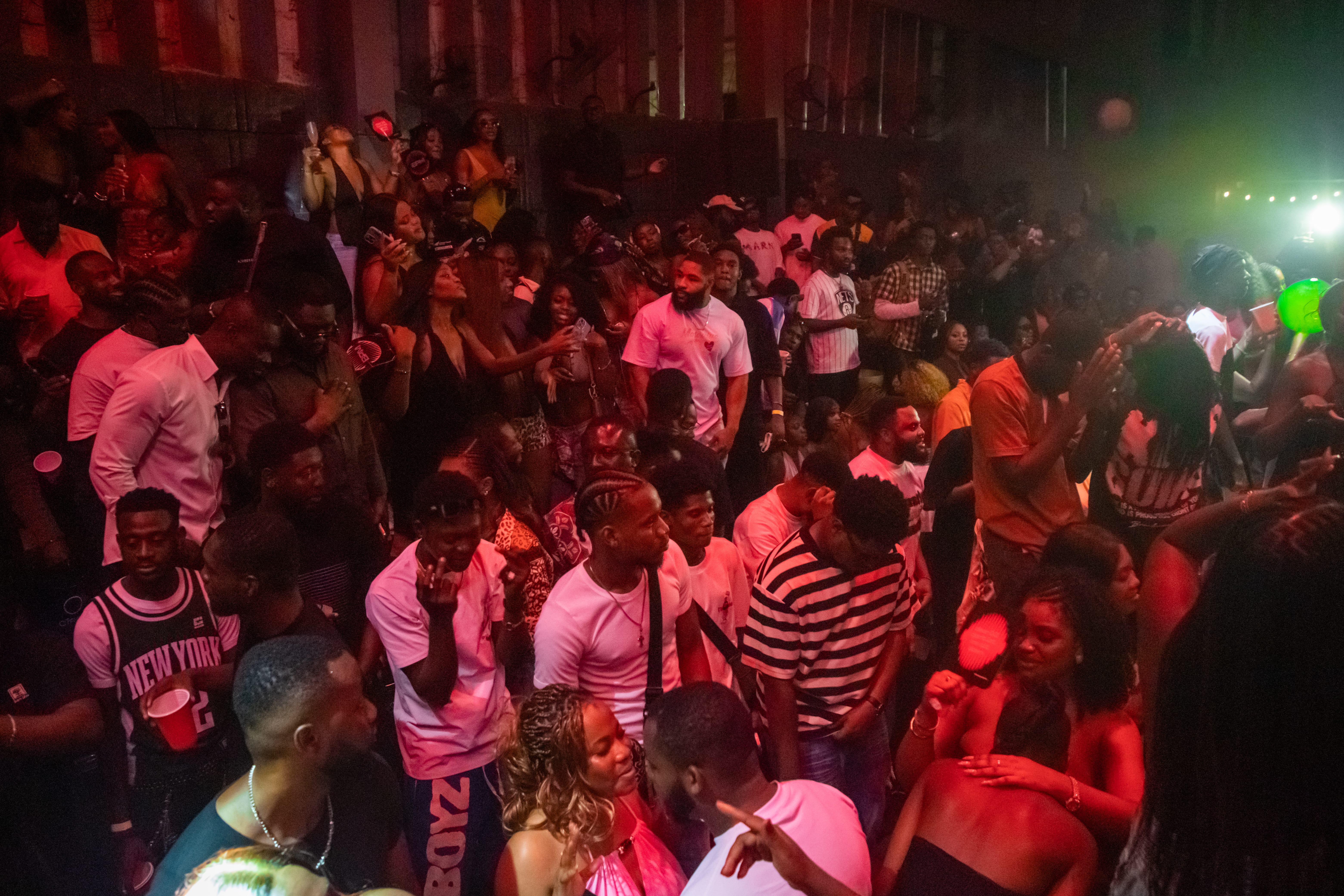
If you've been paying attention to Accra's nightlife over the last few years, you've noticed something shifting.
The biggest nights out aren't always the ones with the biggest budgets behind them. They're not always the ones with the most ads running. Sometimes the event that sells out first is the one where someone you trust sent you the link in a group chat and said — "we have to go to this."
That's not a coincidence. That's community.
And in Ghana right now, community-led events are quietly becoming the most powerful force in the entertainment industry.
Here's why.
Ghana Has Always Been a Community-First Culture
Before we talk about events, let's talk about who we are.
Ghana is a country where the concept of community isn't a marketing strategy — it's a way of life. From family structures to neighbourhood networks to the way news travels, Ghanaians have always moved in groups. We celebrate together, we grieve together, we show up for each other.
This isn't a new thing. It's just that the internet — and specifically social media — has given community an infrastructure it never had before.
WhatsApp groups. Twitter threads. Instagram stories. TikTok comments. These aren't just communication tools. For a generation of young Ghanaians, they are the primary way culture spreads.
And events? Events are culture.
The Group Chat Is the Most Powerful Marketing Tool in Accra
Let's be honest about how most people in Accra actually find out about events.
It's not from a Facebook ad. It's not from a billboard on the N1. It's from someone in their group chat dropping a flyer and saying "are we going?"
That single message — sent by a trusted person to a trusted group — does more work than most paid campaigns ever could. Because it comes with an implicit endorsement. It's not a brand telling you an event is worth attending. It's your friend. Someone who knows your taste. Someone who has never steered you wrong before.
The psychology behind this is simple: we trust people we know over institutions we don't. And in a market like Ghana where advertising is everywhere and trust is earned not given, that peer-to-peer recommendation is worth more than any spend.
Event organisers who understand this have started building around it deliberately. They're not just promoting to audiences — they're activating communities.
What Changed: The Rise of the Experience Economy in Ghana
Five years ago, the conversation in Ghana's entertainment industry was mostly about concerts and clubs. Big names. Big venues. Big budgets.
That still exists — and it always will. But something interesting has happened alongside it.
A generation of young Ghanaians has started craving experiences that feel personal. Curated. Like they were made for them specifically — not for a mass market.
Sip and paint nights. Afrobeats listening parties. Rooftop brunches. Campus takeovers. Beach events with carefully selected guest lists. Intimate comedy nights. Themed club nights with distinct visual identities.
These aren't just events. They're communities expressing themselves through shared experiences.
And the people behind them — the DJs, curators, organisers, collectives — they're not just promoters. They're culture builders. They have audiences who trust them, follow them, and show up for them repeatedly because they've built genuine relationships over time.
That relationship is the product. The event is just how it gets expressed.
Why Community-Led Events Outperform Traditional Events
Here's something every event organiser in Ghana knows but not everyone talks about openly.
A smaller event with the right community behind it will outperform a larger event with no community every single time.
Why?
Because community creates momentum before the event even happens.
When your fans feel connected to you and to each other, they don't just buy tickets. They become advocates. They post about it. They pull their friends in. They create anticipation. They make attending feel like being part of something — not just going somewhere.
This is the difference between an event that sells out in 48 hours and one that's still pushing tickets the week before.
The promoters and organisers who are winning in Ghana right now have figured this out. They're not spending their entire budget on ads. They're investing in their communities. In relationships. In giving their most loyal fans a reason to go beyond just attending — a reason to actively bring people with them.
The Role of Technology in Scaling Community
Here's where it gets interesting.
Community has always driven events in Ghana. But for a long time, there was no infrastructure to properly harness it.
Organisers were doing everything manually. WhatsApp broadcasts. Spreadsheets. Cash at the door. Calling people individually. It worked — but it didn't scale. And more importantly, the fans who were doing the most to promote events were getting nothing back for it.
Think about that person in every group chat. The one who always sends the links. Who convinces the people who are on the fence. Who builds the excitement before anyone even arrives. That person is doing real promotional work — and until recently, they were doing it entirely for free.
Technology is changing that.
Platforms built around community — rather than just transactions — are giving organisers the tools to turn their fans into active participants in event growth. Referral systems. Fan rewards. Real-time tracking of who's bringing who. Entry systems that actually work.
The result is that community-led growth, which used to be organic and untrackable, is becoming measurable, scalable and something organisers can actively build strategies around.
What This Means for Ghana's Event Industry
Ghana's event industry is at an inflection point.
The old model — spend on ads, hope for the best, struggle with ticketing logistics, lose money on no-shows — is showing its age. It was built for a time when audiences were passive. When people consumed entertainment rather than participating in it.
The new model is being written right now by a generation of Ghanaian creators who understand that their audience is their greatest asset. That the energy in their community — if channelled properly — is more powerful than any marketing budget.
This shift doesn't mean big events are going away. It means that even big events are starting to think smaller. More intimate. More community. More about the feeling of being part of something real.
The events that will define Accra's cultural landscape over the next decade won't just be the loudest ones. They'll be the ones that made people feel like they belonged.
Building Community-Powered Events on Passa
This is exactly why we built Passa the way we did.
We didn't set out to build another ticketing platform. We set out to build infrastructure for the way events actually grow in Ghana — through communities, through trust, through fans who care deeply about the experiences they're part of.
On Passa, fans don't just buy tickets. They become part of the event's growth story. They share their personal links. They bring their people. They get rewarded for the work they were already doing for free.
And organisers don't just sell tickets. They build communities around their events. They see who their top promoters are. They reward loyalty. They grow faster — not by spending more, but by activating better.
Community-led events aren't a trend. In Ghana, they're a return to something we've always known.
The best promotion has always come from people who genuinely care.
We just built a platform around it.
Ready to build your community-powered event? List your event at passa.live